Does milk hydrate better than water?
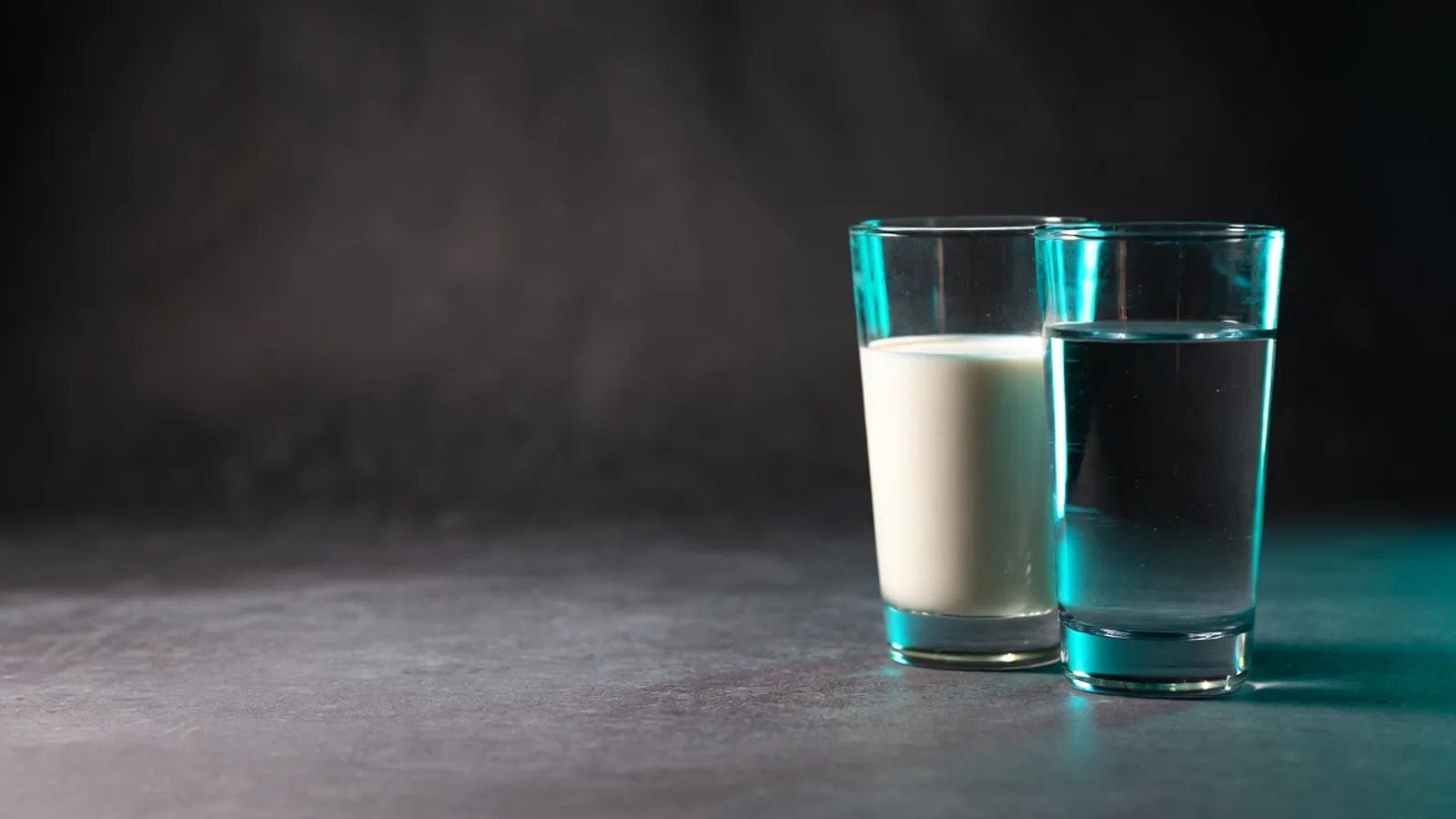
Yes. In the 2016 beverage hydration index trial (Maughan et al., Am J Clin Nutr; PMID 26702122), full-fat milk scored 1.50 and skimmed milk 1.58, where still water is the reference at 1.00. Both retained significantly more fluid than water two hours after drinking (p < 0.001), and skimmed milk had the highest hydration index of all 13 beverages tested. The advantage was still present at the four-hour mark, unlike most other drinks. You can see the full ranking in our beverage hydration index guide.
Why milk is more hydrating
Three components in milk slow how quickly it leaves the stomach and how fast the kidneys produce urine afterward:
- Sodium. Milk's natural sodium helps the body hold onto fluid — the same principle used in oral rehydration solutions.
- Protein and lactose. These slow gastric emptying, so the fluid is absorbed gradually instead of being filtered out quickly as urine.
The result is that more of what you drink stays in the body over the following hours. This is about retention, not a special "hydrating power": milk simply leaves the body more slowly than water.
Skimmed vs full-fat milk
Both are more hydrating than water, and skimmed milk edged ahead in the study — 1.58 versus 1.50 for full-fat. The components that drive retention, sodium and protein and lactose, are present in both. The difference between the two is small; both sit well above water and above every non-dairy drink that was tested.
Is milk the most hydrating drink?
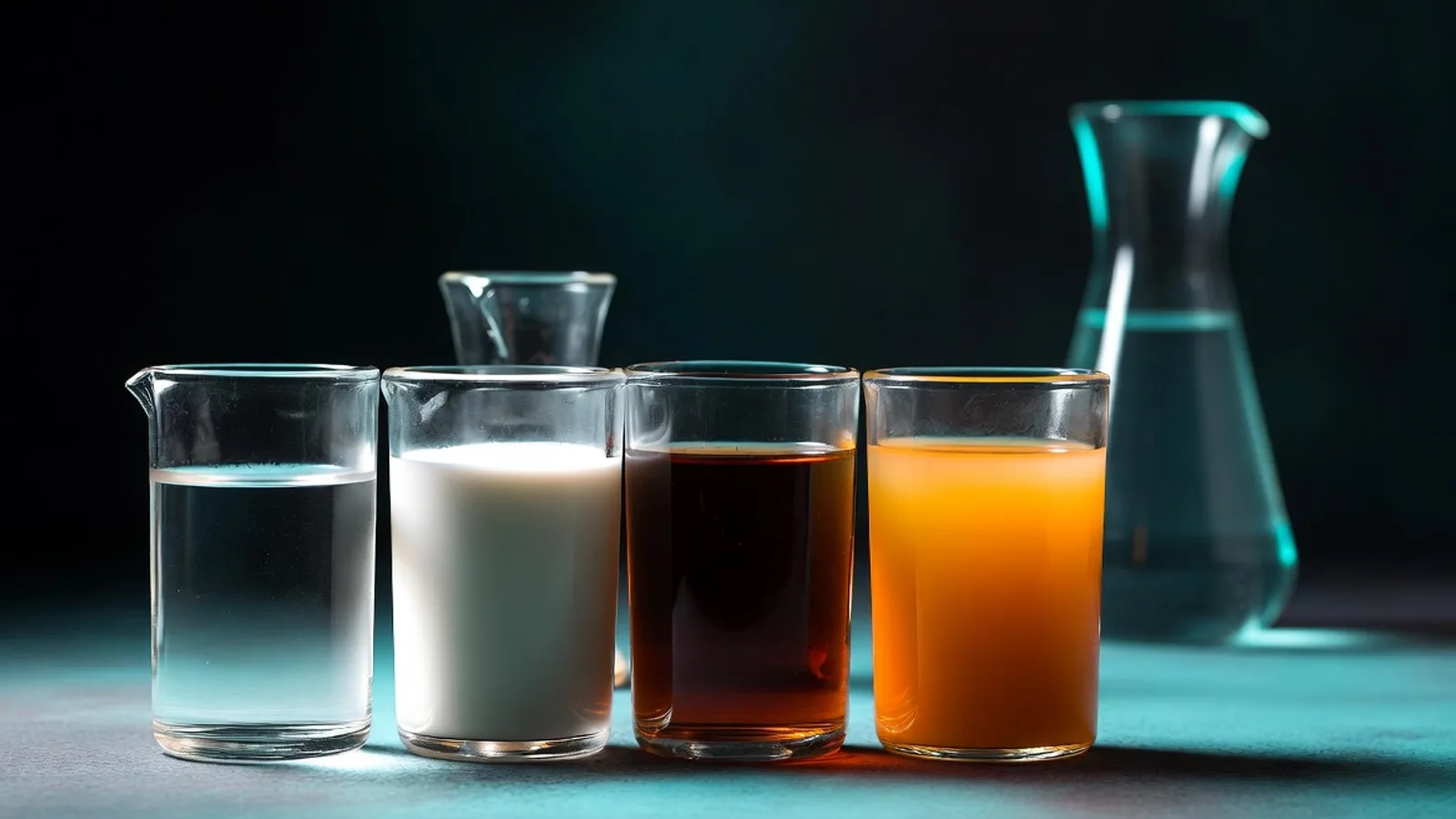
In this study, yes. Skimmed milk had the highest beverage hydration index of the 13 drinks tested, just ahead of an oral rehydration solution (1.54) and full-fat milk (1.50). Everyday drinks such as coffee, tea, soda, and juice clustered close to water at around 1.00. So among common drinks, milk is the strongest performer for short-term fluid retention.
Should you replace water with milk?
No. A higher hydration index does not make milk a better everyday drink. Milk carries calories, sugar (lactose), and fat that water does not, and the beverage hydration index measures only short-term retention over a few hours — not total daily fluid balance, which healthy kidneys manage over 24 hours regardless. Water remains the simplest, calorie-free way to hydrate. Milk's higher score is useful to know — for instance after exercise or when fluids are limited — not a reason to drink it all day.