What the beverage hydration index measures
The BHI measures fluid retention, not just fluid intake. It compares how much of a drink stays in the body two hours after drinking, relative to the same volume of still water. Water is the reference point at 1.00. A drink with a BHI above 1.00 is retained better than water; a drink below 1.00 is retained slightly less.
The index exists because the amount you drink and the amount you keep are not the same thing. A drink's electrolyte content, energy density, and volume all change how quickly the kidneys produce urine afterward. The BHI captures that difference in a single number.
How the beverage hydration index was measured
The BHI comes from a controlled trial published in the American Journal of Clinical Nutrition in 2016 (Maughan et al.; PMID 26702122). Seventy-two healthy men each drank one litre of a test beverage, and their urine was collected over the next four hours. Each drink's BHI was calculated as the fluid retained two hours after drinking, relative to still water.
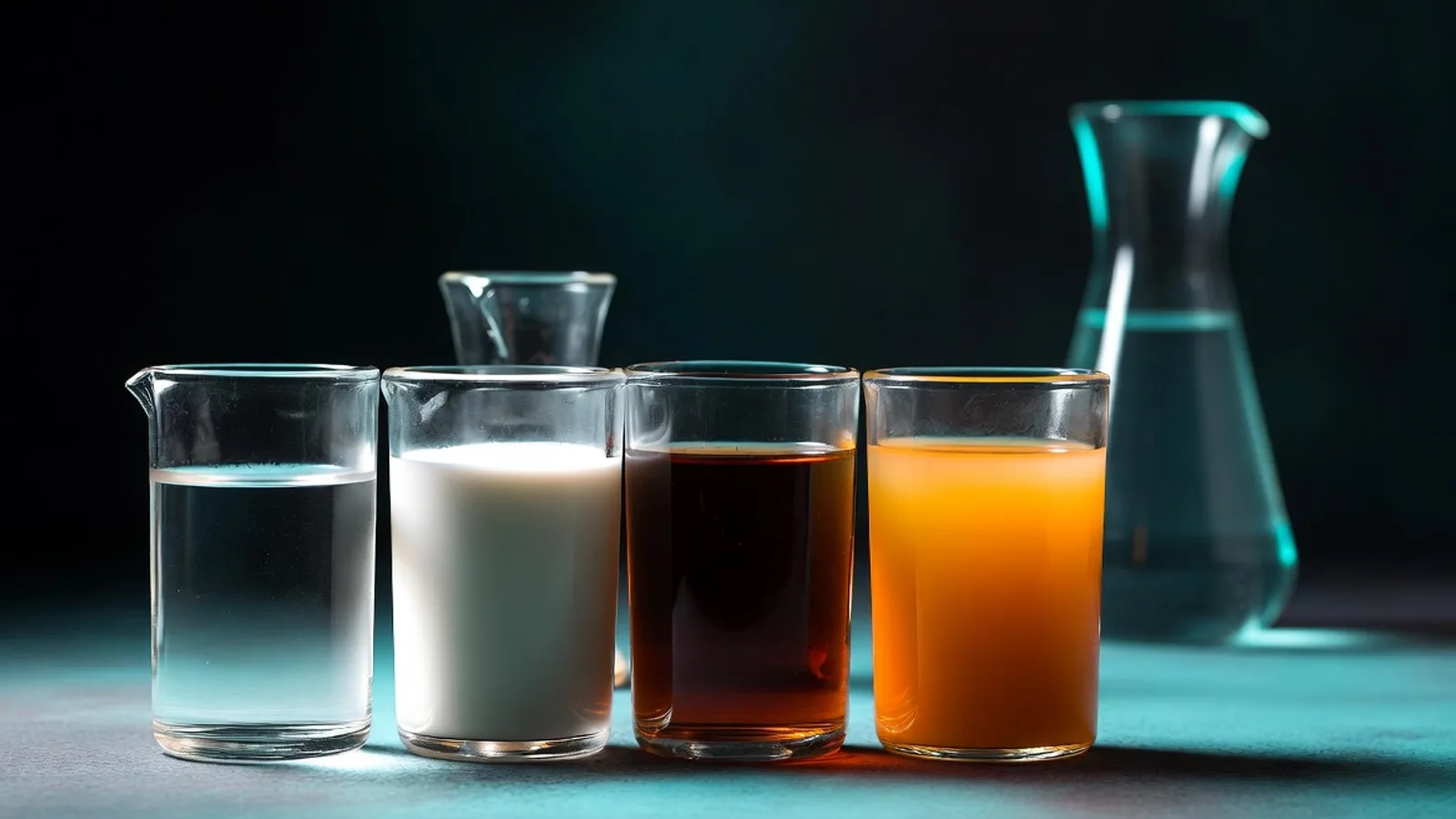
Thirteen common beverages were tested, including water, milk, coffee, tea, cola, orange juice, a sports drink, beer, and an oral rehydration solution. Only a few retained meaningfully more fluid than water.
The full beverage hydration index ranking
| Beverage | BHI (2 h) | vs. still water |
|---|---|---|
| Skimmed milk | 1.58 | Retained more (p < 0.001) |
| Oral rehydration solution | 1.54 | Retained more (p < 0.001) |
| Full-fat milk | 1.50 | Retained more (p < 0.001) |
| Orange juice | 1.39 | More at 2 h; difference gone by 4 h |
| Diet cola | 1.07 | Not different |
| Iced tea | 1.07 | Not different |
| Cola | 1.05 | Not different |
| Coffee | 1.04 | Not different |
| Sports drink | 1.04 | Not different |
| Lager (4% ABV) | 1.01 | Not different |
| Still water | 1.00 | Reference |
| Hot tea | 0.99 | Not different |
| Sparkling water | 0.99 | Not different |
Drinks scoring around 1.00 were not statistically different from water — the small gaps fall within normal measurement variation. Only the top four retained more fluid at the two-hour mark, and for orange juice that edge had faded by four hours. You can see how AquaTrack uses these values in our methodology and the full BHI table.
Which drinks hydrate best
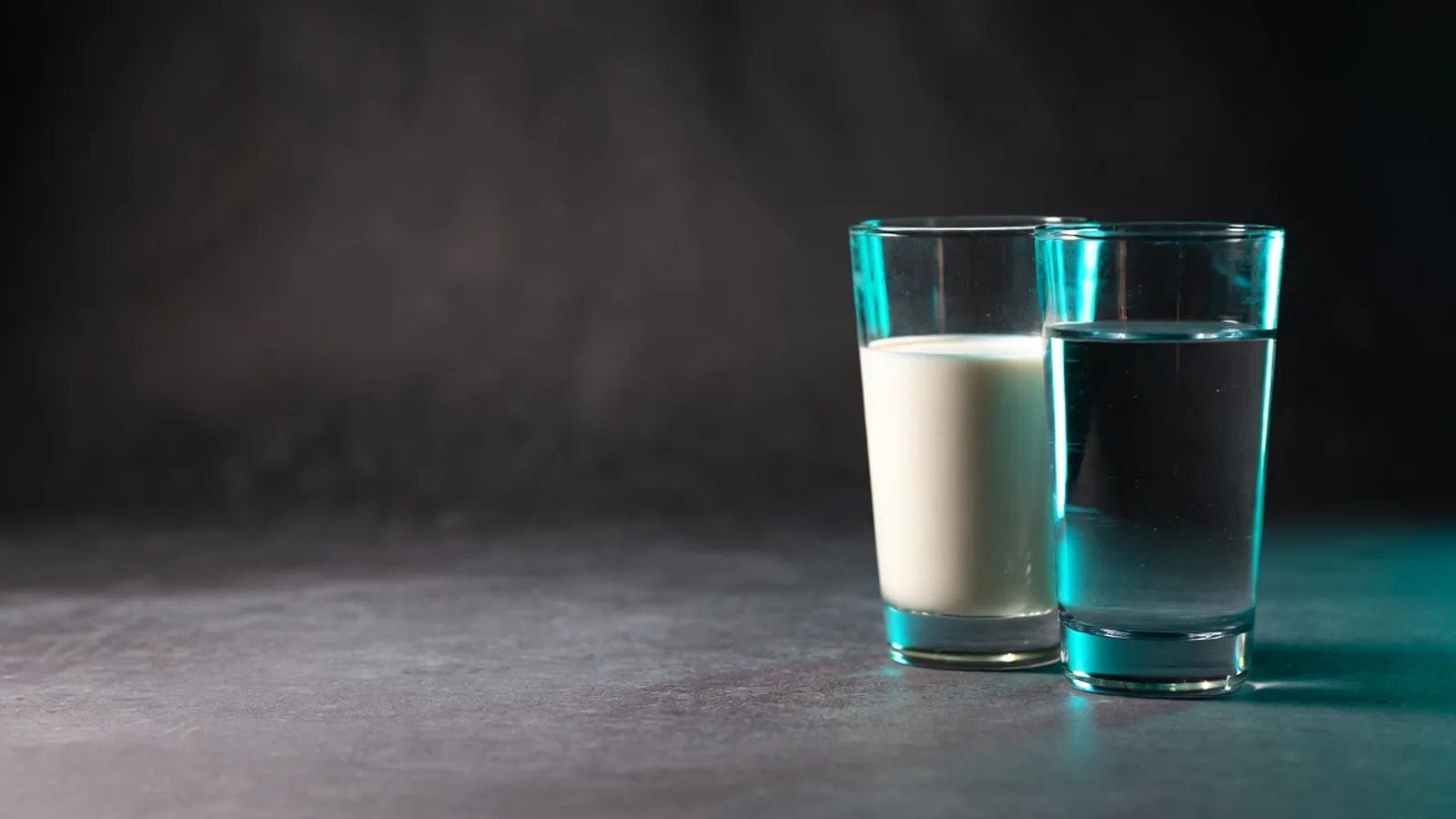
Skimmed milk (1.58), oral rehydration solution (1.54), and full-fat milk (1.50) topped the ranking, each retaining significantly more fluid than water (p < 0.001). Orange juice followed at 1.39, retaining more fluid at two hours, though the difference was no longer significant by four hours.
The reason is composition, not magic. Milk's sodium, protein, and lactose — and the sodium and glucose in an oral rehydration solution — slow how fast the stomach empties and help the body hold onto fluid. Sodium in particular reduces urine output. It is the same principle behind oral rehydration solutions used in clinical settings.
Higher on the index does not automatically mean "better for you." Milk and juice carry calories and sugar, and an oral rehydration solution is a medical formulation, not an everyday drink. The BHI describes short-term retention only.
Why coffee, tea, soda, and beer match water
Coffee (1.04), hot tea (0.99), iced tea (1.07), cola (1.05), diet cola (1.07), a sports drink (1.04), and a 4% lager (1.01) were all statistically indistinguishable from water. At the doses tested, none of them dehydrated participants.
This contradicts the popular idea that coffee, tea, or beer "don't count" toward fluid intake. At moderate amounts they hydrate about as well as water. A measurable diuretic effect from caffeine appears only at high single doses, well above a normal cup. Sparkling water (0.99) matched still water too: carbonation does not reduce hydration.
What the BHI does not tell you
The BHI is a short-term measure with clear limits. It reflects a single one-litre dose in fasted, resting young men, measured over two hours — not normal drinking spread across a day. It tracks fluid retention, not total daily fluid balance; over twenty-four hours, healthy kidneys adjust and most of these differences even out.
It also says nothing about long-term health, taste, or nutrition — only how much fluid a drink holds in the body shortly after you drink it. For most people the practical takeaway is simple: variety is fine, and almost everything you drink contributes to hydration.